
07Oct
Enterprise Digital Transformation in the GCC: Building Smarter, Connected Businesses for the Next Era of Growth
Across the Gulf Cooperation Council, businesses are operating in an environment shaped by rapid economic diversification, ambitious national transformation programs, increasing customer expectations and accelerating adoption of artificial intelligence.
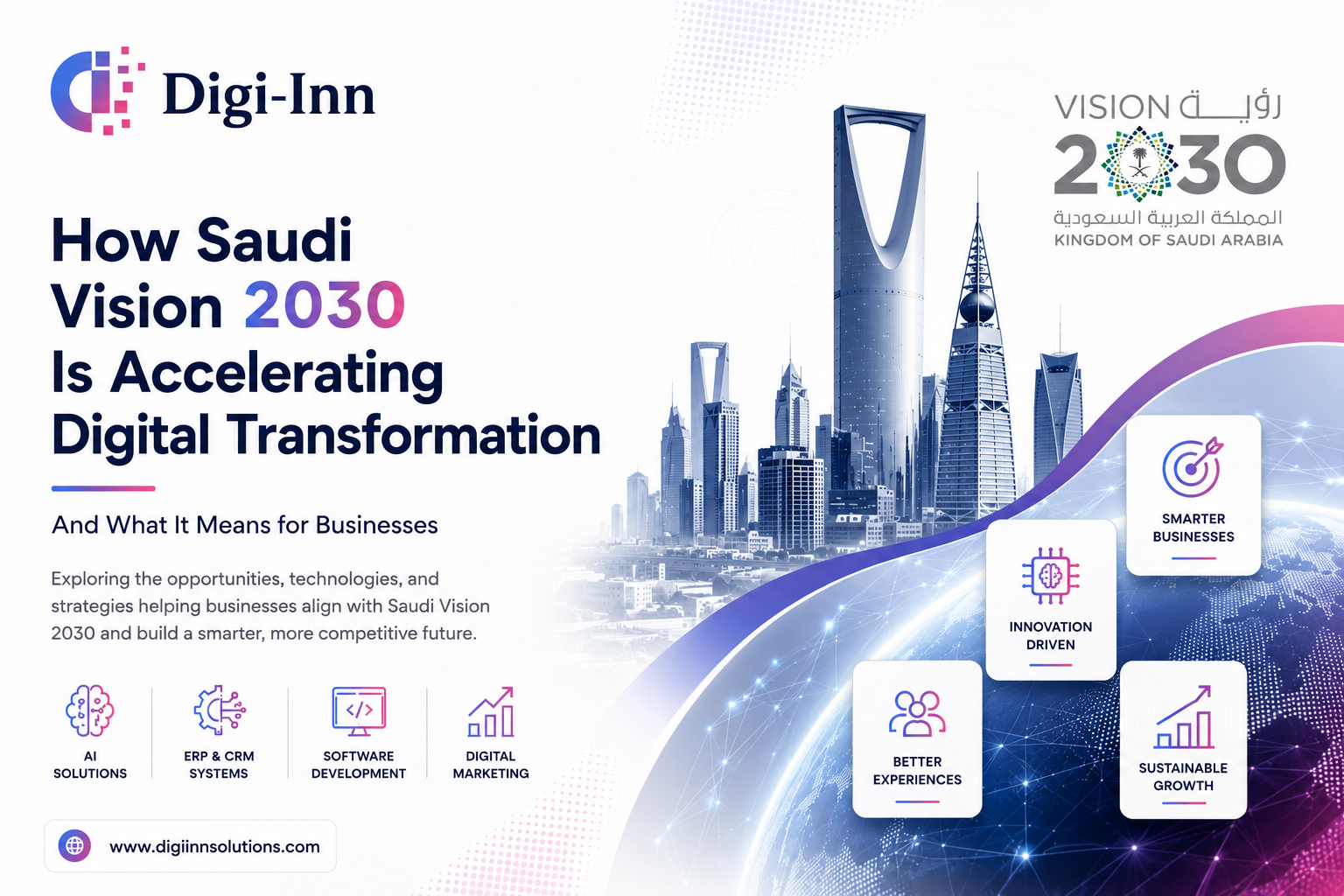
Saudi Arabia's Vision 2030, the UAE's digital-economy ambitions and similar transformation programs across Qatar, Bahrain, Kuwait and Oman are creating an environment where technology is becoming deeply connected to how organizations compete and grow.
For enterprises, however, digital transformation is no longer simply about purchasing new software.
The bigger challenge is creating an organization in which people, processes, data and technology work together.
A business may already have an ERP, CRM, website, accounting platform and multiple internal applications.
But if these systems operate independently, employees still rely on spreadsheets, managers chase reports and leadership lacks real-time visibility, the organization has digitized individual tasks without truly transforming its operations.
The next phase of GCC digital transformation will therefore be less about having more technology and more about building connected digital ecosystems.
From Digital Tools to Connected Enterprises
Growing organizations naturally become more complex.
More employees mean more workflows.
More customers mean more data.
More departments mean more communication.
More locations mean more operational dependencies.
And more growth means leadership has more decisions to make.
Technology should reduce this complexity rather than amplify it.
This is why enterprise technology strategies are increasingly moving toward integrated environments where information can move seamlessly between departments and systems.
Consider a customer journey.
A lead enters through a website or AI chatbot.
The inquiry is automatically captured.
The sales team receives the information.
Customer data moves into the relevant business system.
Operations can see the requirement.
Finance receives the necessary transaction information.
Management can track progress through dashboards.
Instead of five disconnected processes, the organization operates through one connected workflow.
That is where digital transformation starts creating measurable business value.
ERP Systems Are Becoming the Operational Backbone
Enterprise Resource Planning remains one of the most important components of digital transformation for growing GCC organizations.
Modern ERP software solutions in Saudi Arabia and the GCC are increasingly expected to do much more than manage basic accounting.
Businesses want centralized visibility across:
Finance and accounting
Human resources
Sales and leads
Projects
Customers
Inventory
Operations
Reporting
User permissions
Performance tracking
The objective isn't simply centralization.
It's visibility.
Leadership should be able to understand what is happening across the organization without waiting for multiple departments to manually prepare information.
For enterprises with 50, 100, 500 or more employees, that visibility becomes increasingly valuable as organizational complexity grows.
Industry-Specific Software Is Gaining Importance
Another important shift is the movement away from purely generic business software.
Different industries operate differently.
A real-estate developer does not manage operations like a university.
A retail company does not operate like a construction organization.
A restaurant chain has different workflows from a diagnostic laboratory.
This creates growing demand for industry-specific enterprise software solutions.
Real Estate Technology
Real-estate businesses across the Gulf may need integrated systems for:
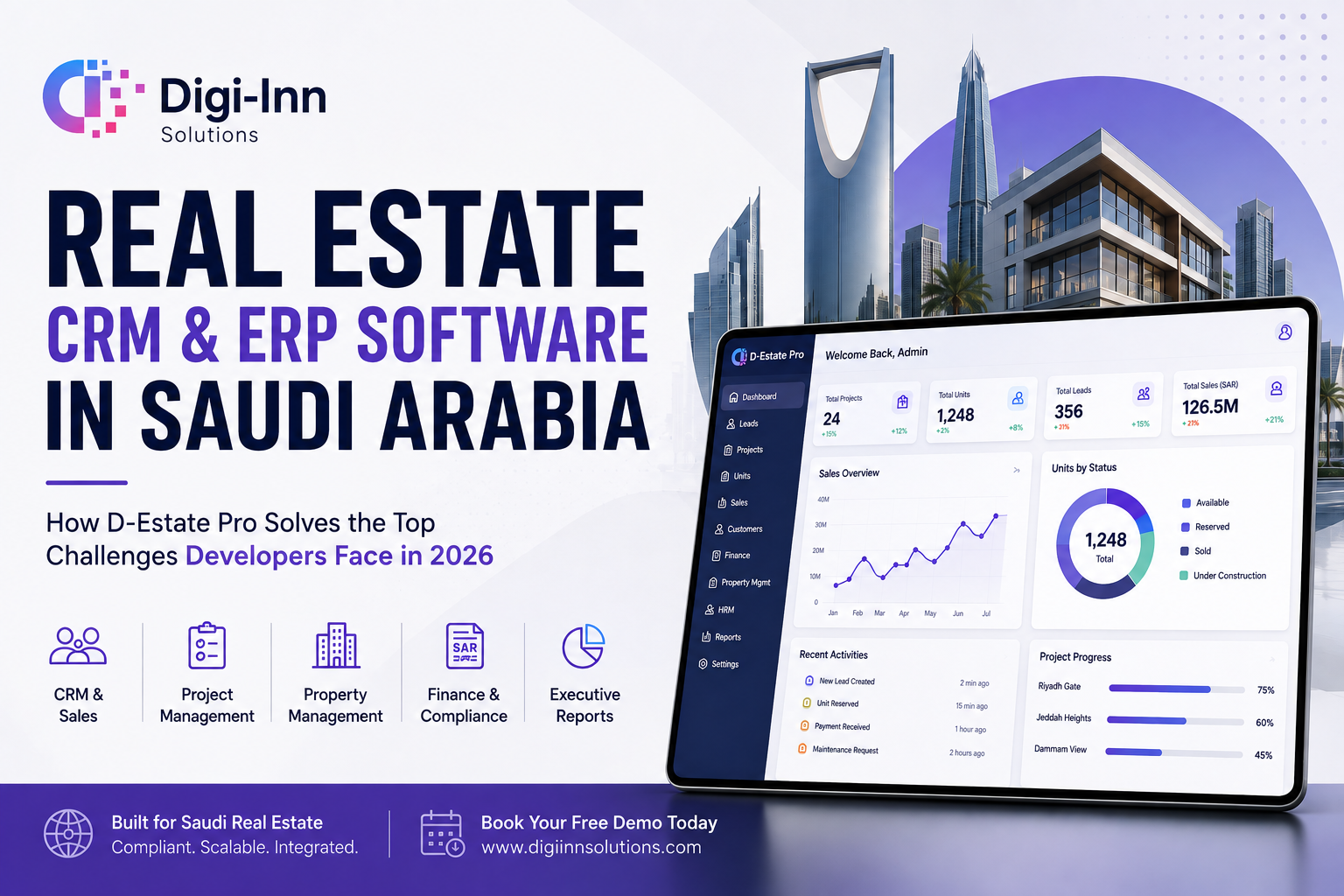
lead management, property inventory, bookings, installments, dealer management, customer records, documentation, finance and project visibility.
Instead of managing these processes through separate spreadsheets and communication channels, a dedicated real estate ERP system can create a centralized operational environment.
Retail and Commerce
Retail businesses require fast access to sales, inventory and customer information.
Modern POS environments can connect:
Sales → Inventory → Purchases → Customers → Employees → Accounts → Analytics
For multi-location GCC businesses, this creates better control and greater visibility across branches.
Education
Education providers are also becoming increasingly digital.
Modern learning management systems can support course delivery, assessments, certifications, progress tracking, digital content and administrative workflows.
The opportunity extends beyond online education.
A strong LMS can become part of the institution's broader digital infrastructure.
AI Is Moving Beyond the Chatbot
One of the biggest enterprise technology trends is the evolution of artificial intelligence.
The first generation of business AI focused heavily on conversation.
Ask a question.
Receive an answer.
But organizations are increasingly exploring something more valuable:
AI connected to workflows.
An AI chatbot might answer:
“What services do you offer?”
An AI-enabled business workflow could potentially:
Understand the inquiry → collect requirements → qualify the opportunity → update a CRM → schedule a meeting → notify the relevant team.
That's an entirely different level of automation.
For GCC enterprises, AI chatbot and AI agent solutions can increasingly support areas such as:
customer support, lead qualification, appointment scheduling, information retrieval, internal knowledge assistance, automated follow-ups and workflow initiation.
The opportunity isn't simply to make conversations intelligent.
It is to make business processes intelligent.
Custom Software Is Becoming a Strategic Investment
Off-the-shelf platforms remain useful.
But as organizations grow, their processes often become too specific for standardized software.
A business may need:
a specialized approval workflow,
a custom client portal,
an internal operational platform,
integration with existing enterprise systems,
a mobile application for field employees,
a management dashboard,
or an industry-specific workflow unavailable in conventional software.
This is where custom software development for GCC enterprises becomes strategically important.
The objective should not be to build custom software simply because it is possible.
Custom development makes sense when technology needs to reflect the organization's actual operating model.
The strongest enterprise software should adapt to the business not force the entire business to adapt to rigid software limitations.
Mobile Applications Are Becoming Part of Enterprise Infrastructure
Custom application development is also moving beyond consumer apps.
Businesses are increasingly using mobile applications internally and externally.
For example:
Field employees can update work status.
Sales teams can access customer information.
Customers can track requests.
Managers can approve workflows.
Restaurant riders can receive orders.
Property teams can access inventory.
Technicians can receive maintenance tickets.
This makes custom mobile application development for GCC businesses particularly relevant for organizations with distributed employees, multiple locations or mobile workforces.
A mobile application becomes far more valuable when it connects directly to the organization's central business systems.
Remote Resources Are Changing How GCC Companies Scale
Digital transformation is not exclusively a software challenge.
It is also a talent challenge.
Organizations often require specialized technical capabilities without necessarily needing to build every function internally.
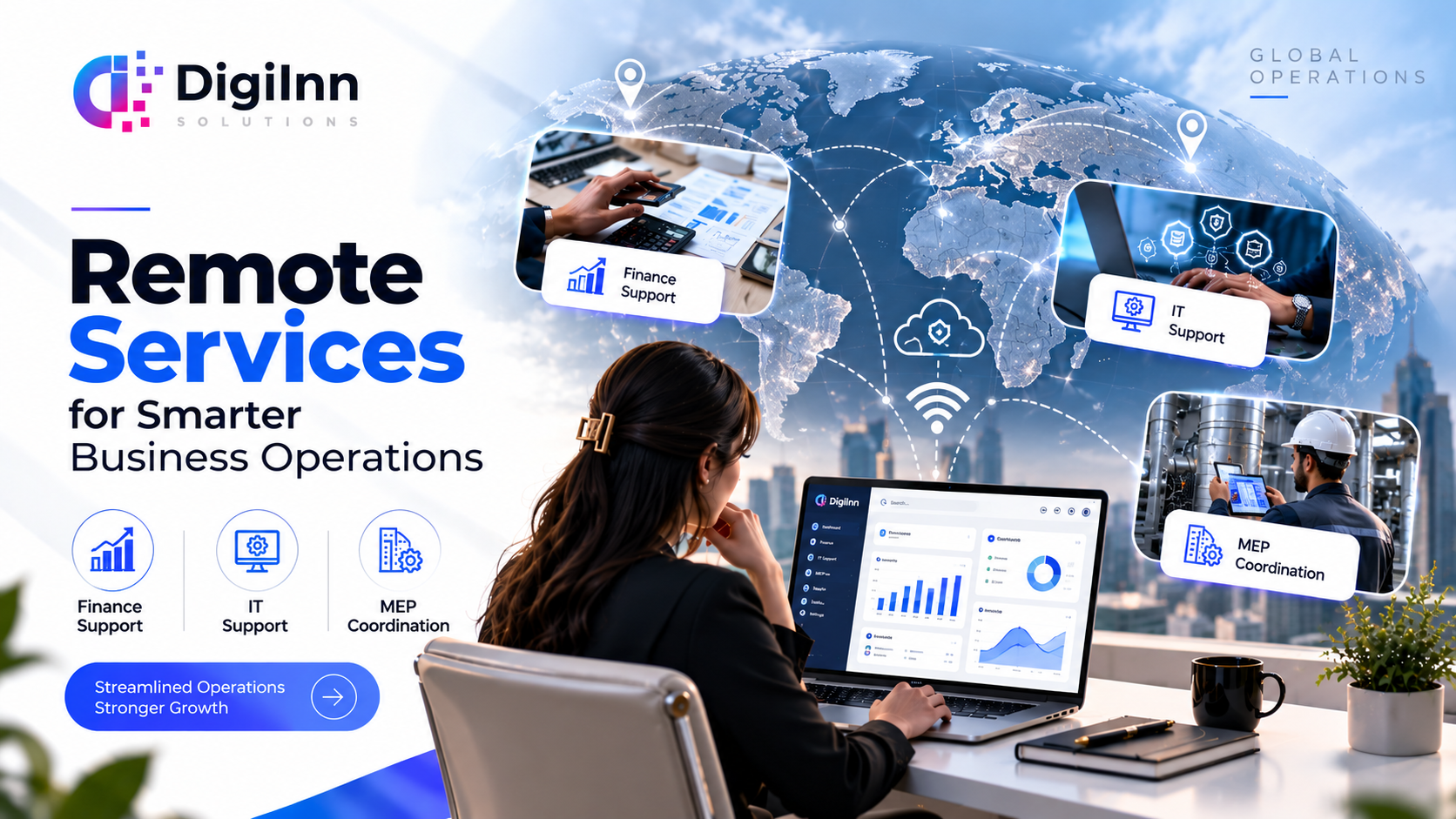
This is creating opportunities for dedicated remote resources across areas such as:
IT support
Software development
Finance operations
Technical support
MEP coordination
Back-office operations
A structured remote-resource model allows companies to extend internal capabilities while maintaining clear processes, reporting and accountability.
For rapidly scaling GCC enterprises, the combination of technology + specialized resources can provide a more flexible operating model.
Integration May Be More Important Than Another Software Purchase
One of the most overlooked problems in enterprise technology is fragmentation.
An organization might have excellent individual platforms but still struggle because those platforms don't communicate.
CRM has customer information.
ERP has financial information.
HR software has employee information.
The website captures inquiries.
WhatsApp contains conversations.
Management receives separate reports.
Each system works.
The organization doesn't.
This is why API integrations, automation and centralized data architecture are becoming increasingly important.
The goal should be to move toward:
Connected Systems → Trusted Data → Automated Workflows → Better Decisions
Instead of:
More Software → More Logins → More Data Silos → More Complexity
Cybersecurity and Governance Cannot Be an Afterthought
As GCC enterprises become increasingly digital, the importance of security grows with them.
More systems mean more data.
More integrations mean more access points.
More AI means new questions around permissions, information usage and governance.
Enterprise transformation therefore needs to consider:
role-based access, secure authentication, activity logs, data protection, backup strategies, system permissions and AI governance.
Digital transformation should increase organizational capability without unnecessarily increasing organizational risk.
What Should GCC Leaders Prioritize?
The technology conversation should begin with the business problem not the product.
Before investing in another platform, leaders should ask:
Where are we losing time?
Where are employees repeating work?
Which decisions lack reliable information?
Where does customer experience break down?
Which departments are operating in silos?
Which processes will become difficult to manage if the company doubles in size?
Only then should the organization decide whether the answer is ERP, automation, AI, system integration, a custom application or a redesigned process.
This approach changes technology from a procurement decision into a business strategy decision.
Building for the GCC's Next Growth Cycle
The Gulf is experiencing one of the world's most ambitious periods of economic and technological development.
For businesses, that creates enormous opportunity.
But growth also creates complexity.
The enterprises best positioned for the next phase will not necessarily be those using the largest number of digital tools.
They will be the ones capable of connecting:
People + Processes + Data + Technology
into an operating model that can grow without losing visibility or control.
That's where enterprise technology creates its greatest value.
Not in the software itself.
But in the business capability the software makes possible.
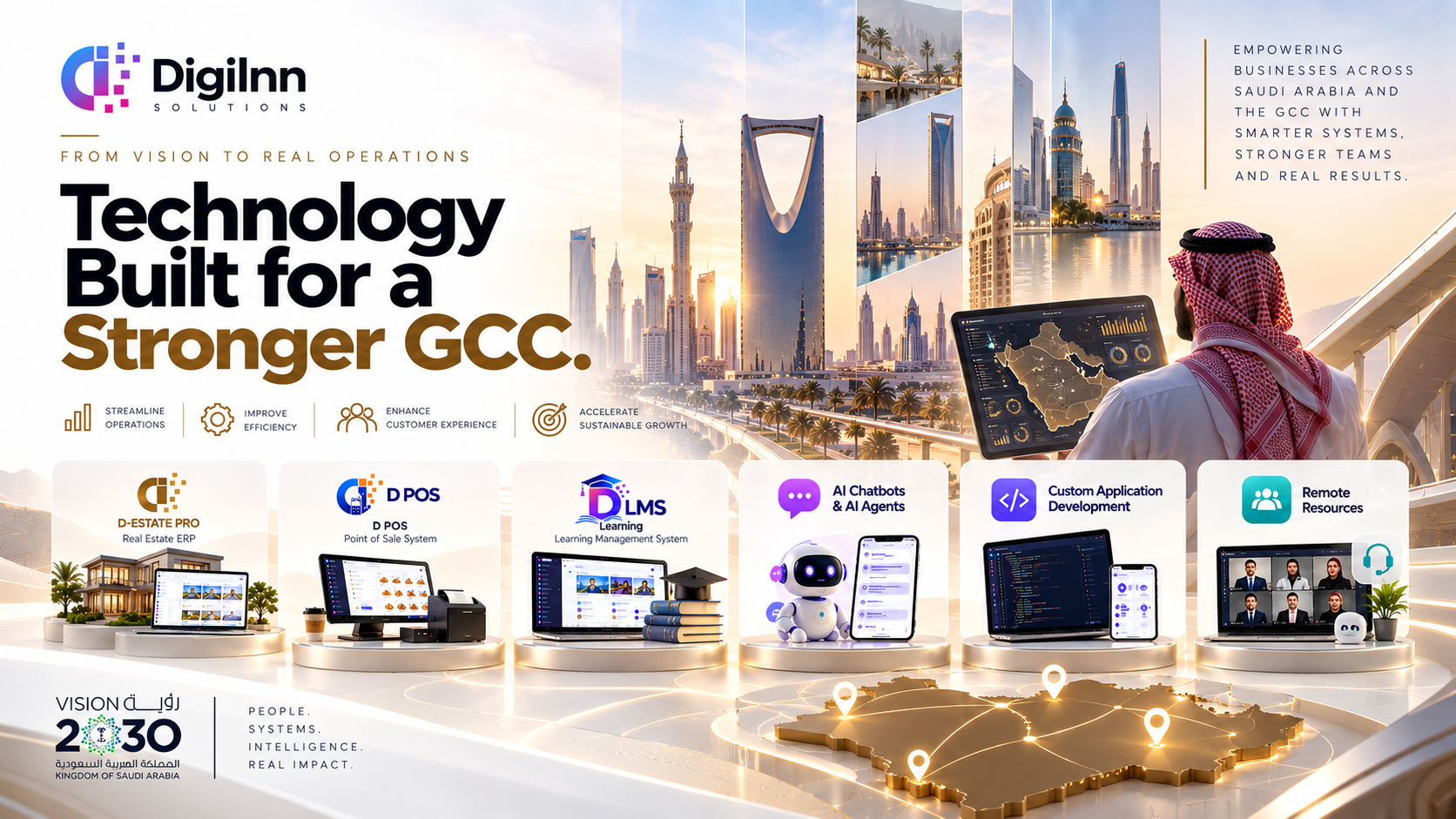
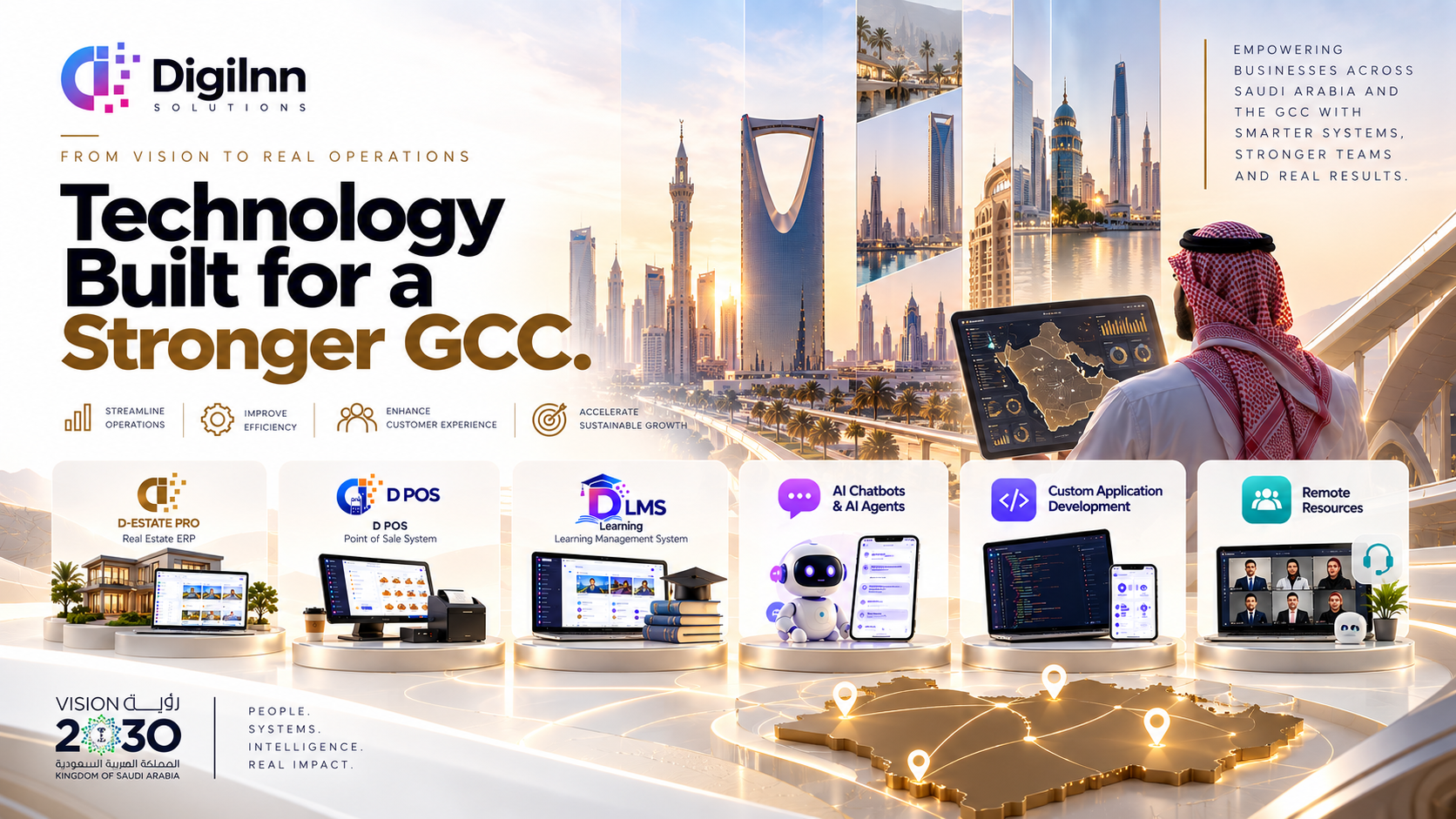
At DigiInn Solutions, our focus is on building technology around real operational requirements from enterprise and industry-specific systems to AI automation, custom applications and dedicated remote resources.
Because the objective of digital transformation should never be simply to make a business more digital.
It should make the business more capable, connected and ready to scale.
Beyond Digital: How AI and Automation Are Redefining Business Transformation
Aug. 28, 2026, 2:16 p.m.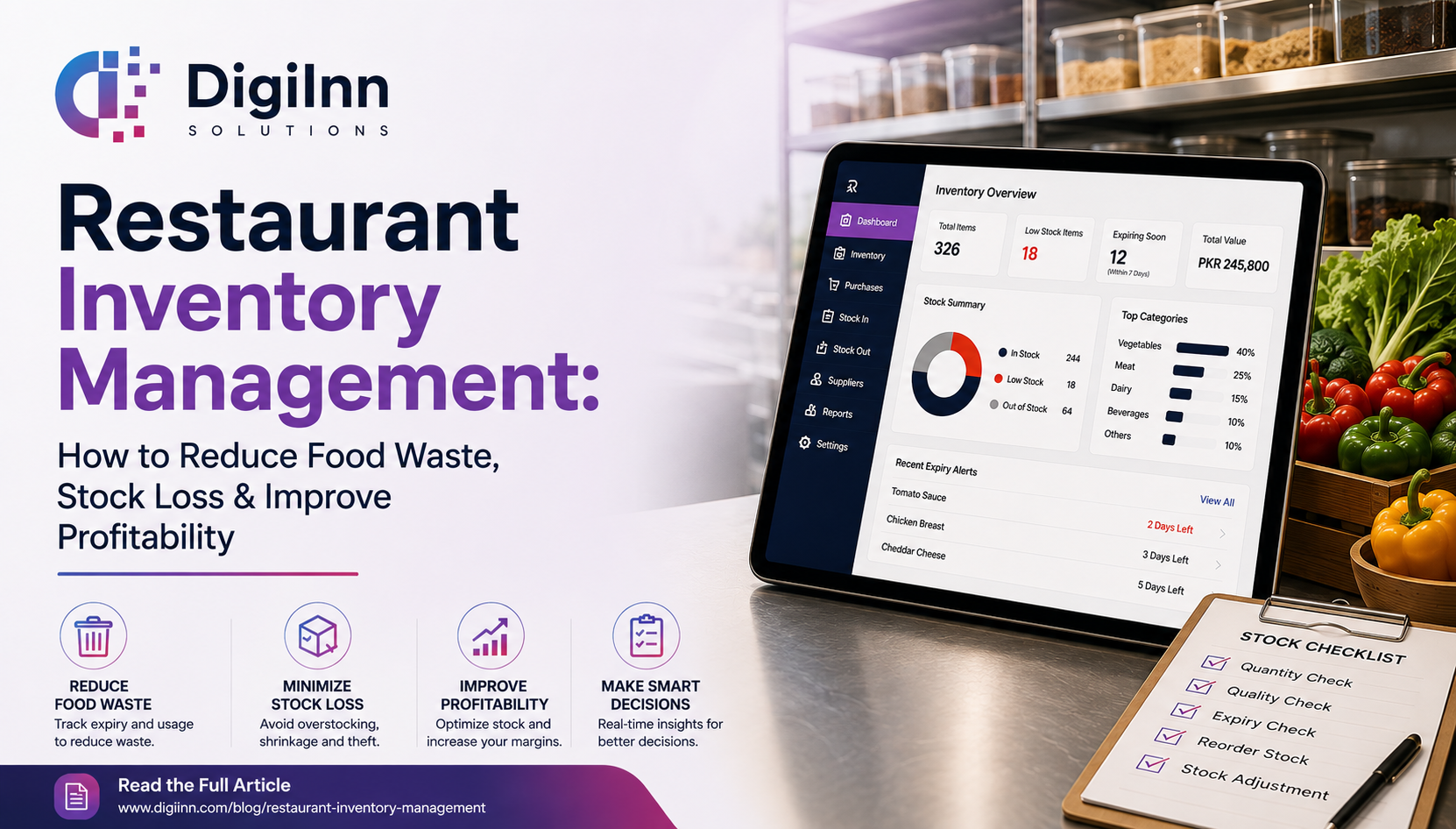
Restaurant Inventory Management: How to Reduce Food Waste, Stock Loss & Improve Profitability
Aug. 20, 2026, 10:48 a.m.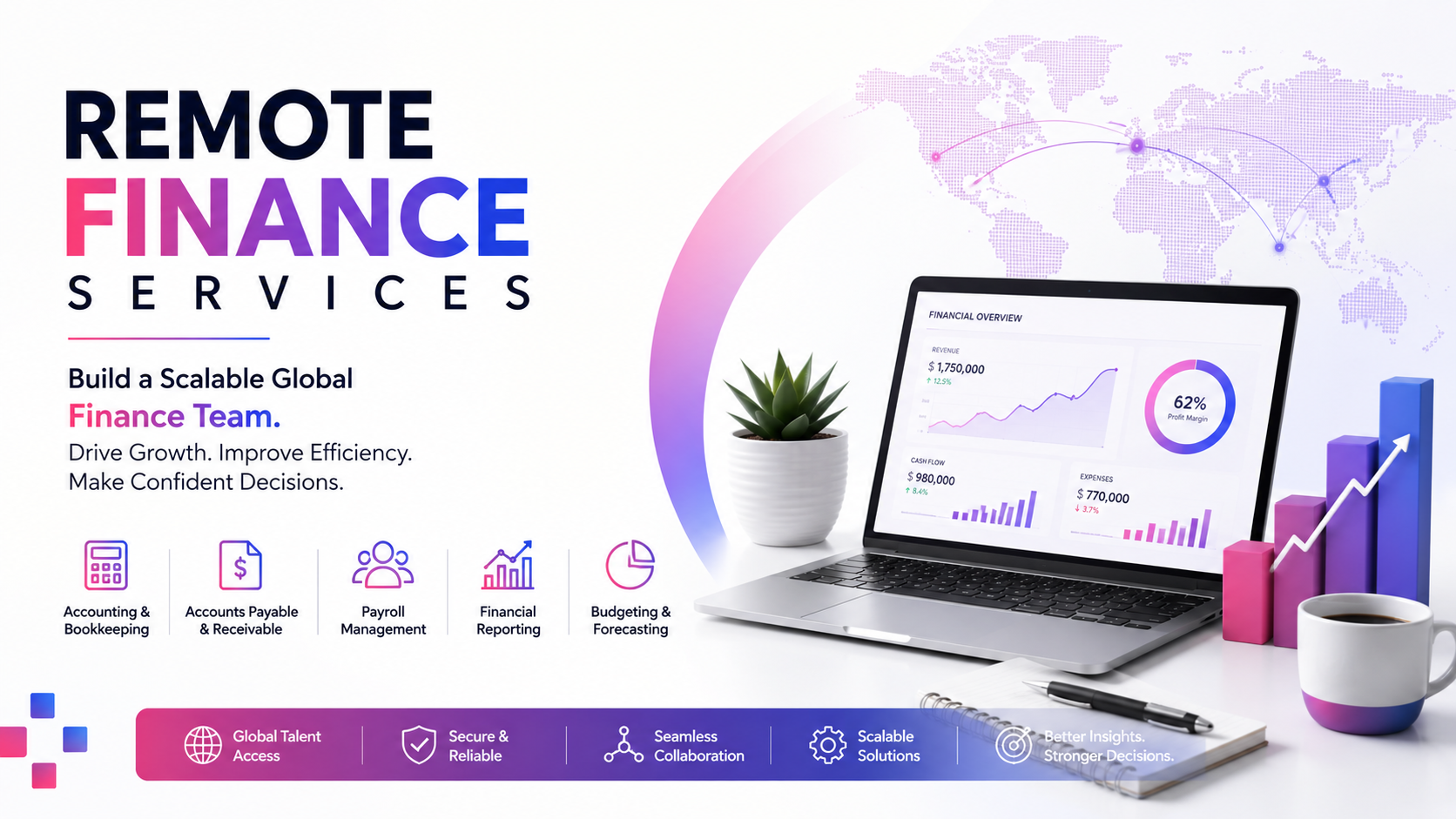
Leave A Comments